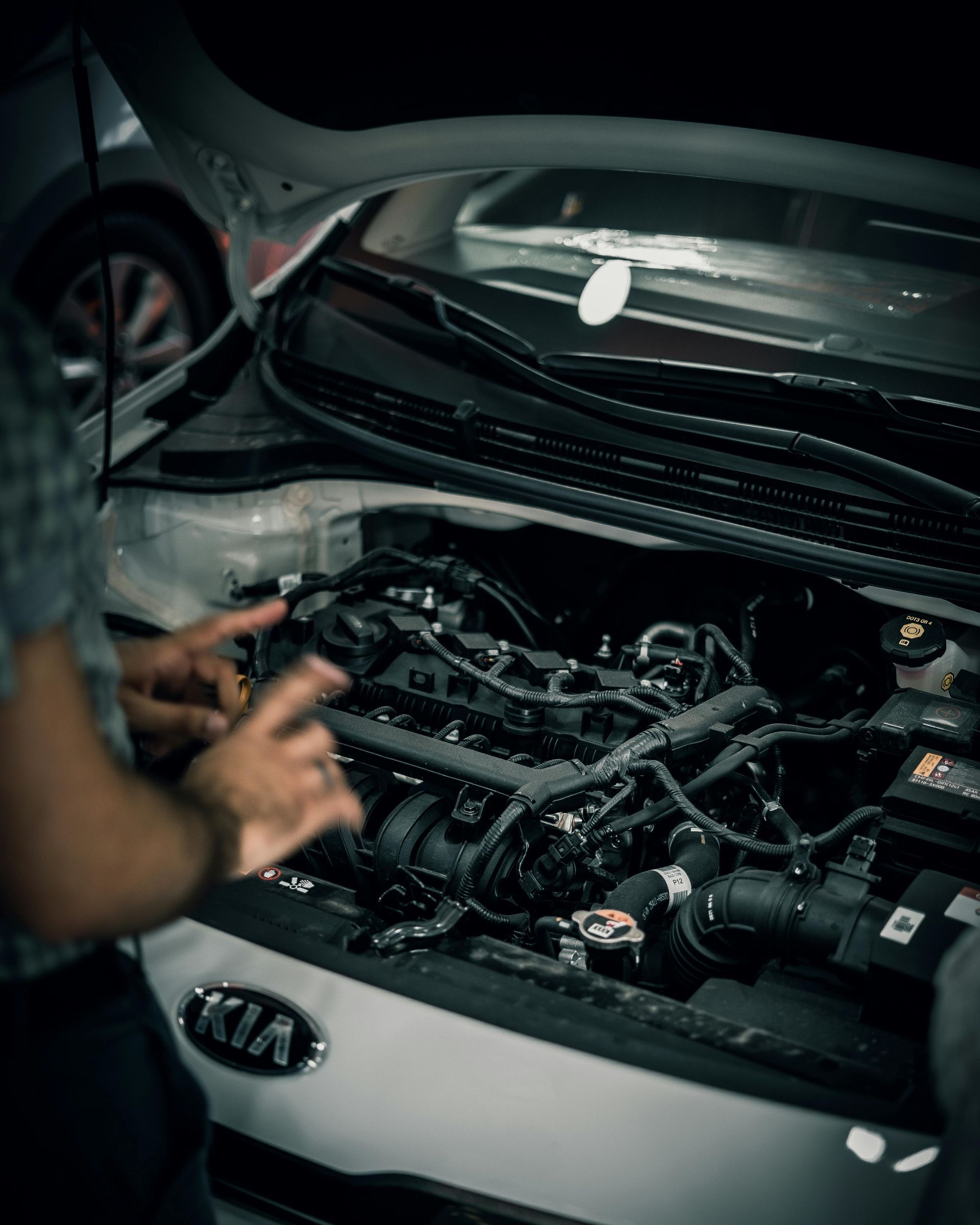
Why Is My Car AC Not Blowing Cold Air?

April 16, 2026

Why Is My Car AC Not Blowing Cold Air? (Longview, WA)

If your car’s AC isn’t blowing cold air, it’s usually because something is off with the refrigerant, the AC comapressor/control system, or how air is moving through the vents inside your vehicle. Sound complicated? It can be. The good news? Were all over it.


Low Refrigerant Is the Most Common Reason

Refrigerant is what actually removes heat from the cabin. If it’s low (often from a small leak), the system can’t do its job, and cooling performance drops fast.

Some clear signs of low refrigerant:


  • It’s cold right when you turn it on, then it goes warm
  • It takes longer than you’re used to to cool down
  • You notice your AC cycling more than usual


Also, refrigerant doesn’t just disappear. If it’s low, it leaked out!


Compressor or Clutch Issues

The compressor is the part that circulates refrigerant through the system. If it doesn’t engage or fails internally; you can end up with air that’s mostly warm no matter what the AC controls are set to, or how much refrigerant you have in the system.


Blend Door / Airflow Problems

Other times, the AC is working, but you’re not getting cold air where you expect it. That can happen when the blend door (inside the HVAC system) gets stuck or fails. 


It’s like blocking the air duct in your home. You’ll never get that sweet, sweet cool air if its physically blocked from entering the room (or the cab or your car!)


Cooling Fan or Condenser Problems

Your condenser releases heat from the refrigerant. It relies on tight seals and an operation cooling fan to operate properly. If the cooling fan isn’t running properly; the performance of your AC will suffer. If you notice your AC works while you’re driving and struggles at idle; that’s a strong sign that you’re having cooling fan problems!


When to Get It Checked

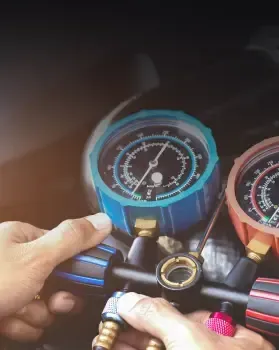
If your car AC isn’t blowing cold air, the fix depends on what the system is actually doing. A proper diagnosis usually includes pressure testing, leak detection, and checking key components (not just adding refrigerant).


At Art’s Automotive in Longview, WA, we troubleshoot AC problems based on testing and system performance, so you can get back to real cold air without repeat issues.


If you’re dealing with warm air, weak cooling, or inconsistent AC behavior, we can help! 
April 10, 2026
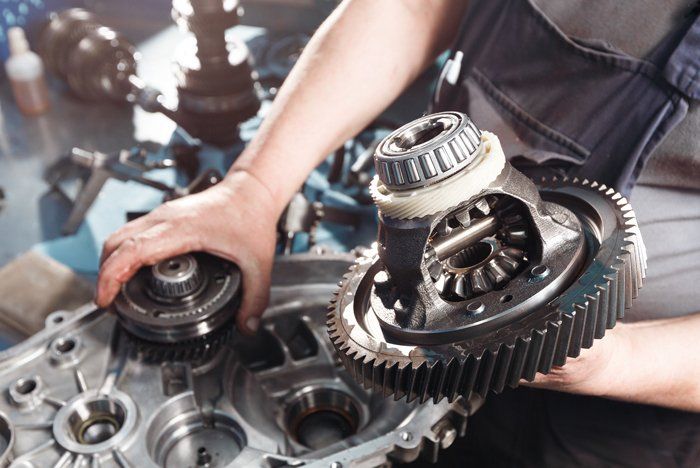
Transmission fluid plays a critical role in how your vehicle shifts, cools, and protects internal components. As it ages, it loses its ability to lubricate, control heat, and carry away wear material. Replacing that fluid—at the right time and in the right way—is what helps extend transmission life. What a Drain and Fill Does A drain and fill removes a portion of the old fluid from the transmission pan and replaces it with new fluid. Because some fluid remains in the system, the change is gradual. That’s often an advantage. It refreshes the fluid without disturbing material that has settled inside the transmission over time. For higher-mileage vehicles or those without a consistent service history, this is typically the safer approach. Repeating this service periodically can steadily improve fluid condition with minimal risk. What a Transmission Flush Does A transmission flush replaces nearly all of the old fluid in one service, including fluid in the torque converter and cooler lines. This provides a more complete reset of the fluid’s protective properties. When performed on a well-maintained transmission with clean fluid, a flush can help maintain smooth operation and proper temperature control. Why a Flush Isn’t Always the Right Choice A full fluid exchange can create problems if the transmission is already worn or the fluid is heavily contaminated. Over time, fine particles from normal wear settle in low-flow areas. A flush can circulate that material back through sensitive components like solenoids and valve bodies. That added circulation can lead to shifting issues or accelerate internal wear. This is why a flush is not routinely recommended for every vehicle—especially if maintenance has been delayed. Which Service Helps Your Transmission Last Longer? Longevity comes down to consistent maintenance and choosing the right service for the transmission’s condition. Well-maintained transmission: may benefit from a flush High-mileage or unknown history: usually safer with a drain and fill The goal is to improve fluid condition without increasing internal risk. When to Schedule Transmission Service If you’re experiencing delayed or harsh shifting, or if the fluid hasn’t been serviced within typical intervals (often 30,000–60,000 miles depending on the vehicle), it’s time for an inspection. Fluid color, smell, and overall condition help determine the safest approach. At Art’s Automotive in Longview, WA, transmission service decisions are based on what protects the unit long-term—not just what replaces the most fluid. A careful, condition-based approach is what keeps transmissions operating reliably over time.
Why Brake Fluid Flushes Matter for Long-Term Brake System Reliability
March 27, 2026
At Art’s Automotive, brake fluid service is about preventing problems before they start. Keeping the hydraulic system clean and dry is key to long-term brake reliability and safety.
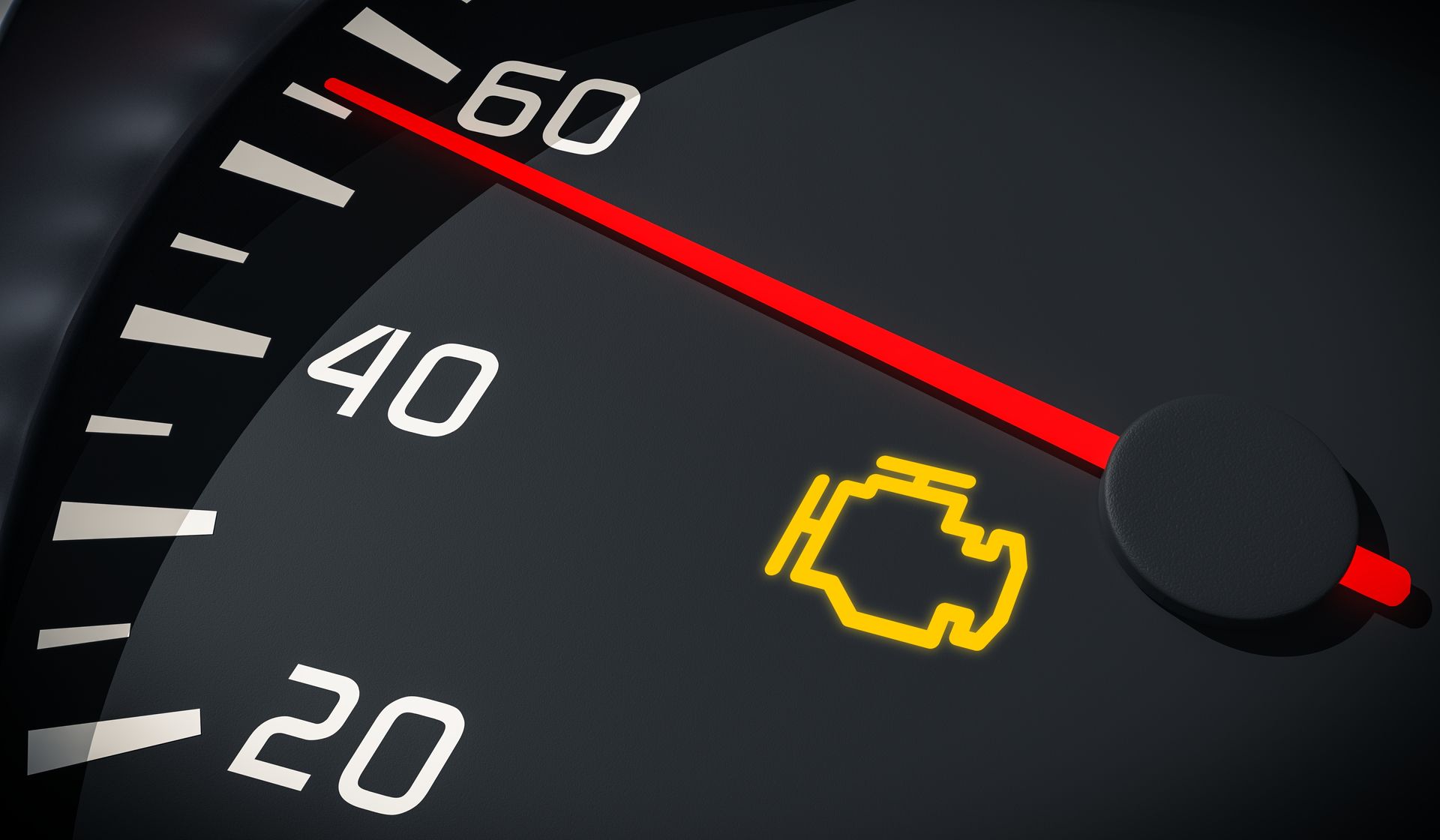
Why Reading a DTC Code Doesn’t Fix Your Check Engine Light - Art's Automotive
March 19, 2026
At Art’s Automotive, we approach every check engine light with a diagnosis-first mindset. The goal isn’t to sell parts, it’s to determine the root cause of the check engine light and correct it properly the first time.
How to Prioritize Car Repairs When You Can’t Do Everything at Once - Art's Automotive
March 12, 2026
At Art’s Automotive, our goal is not to pressure you into doing everything immediately. It’s to help you understand your vehicle's condition and make informed decisions.
How an Engine Misfire Can Destroy Your Catalytic Converter
March 2, 2026
At Art’s Automotive, we approach misfire concerns with a diagnostic-first mindset. Identifying the root cause early helps prevent catalytic converter failure, reduces long-term costs, and protects the reliability of your vehicle.
The Importance of Oil Changes for Long-Term Engine Reliability and Lower Repair Costs
February 19, 2026
If your goal is to keep your vehicle dependable for years and avoid major engine repair costs, regular oil changes are non-negotiable.