There's a reason the dead battery is one of the most common and most inconvenient car problems out there. It never happens at a good time. It's always a cold morning, or a parking lot far from home, or right before an important meeting. The good news? A failing battery almost always gives you warning signs before it leaves you stranded. Knowing what to look for can save you a lot of stress.
The Different Types of Car Batteries
Not all car batteries are the same, and understanding the differences can help you make a smarter decision when it's time for a replacement.
Lead-Acid (Flooded) Batteries This is the traditional battery most people are familiar with. Lead-acid batteries are reliable, affordable, and widely available. They do require occasional maintenance and are sensitive to extreme temperatures, but for most everyday drivers they get the job done.
AGM (Absorbent Glass Mat) Batteries AGM batteries are the modern standard for most newer vehicles, especially those with start-stop technology or higher electrical demands. They're sealed, maintenance-free, and significantly more resistant to vibration and temperature extremes. If your vehicle came with an AGM battery, it's important to replace it with another AGM. Using a standard lead-acid battery can actually cause problems with your vehicle's charging system.
Lithium-Ion Batteries While still primarily associated with electric and hybrid vehicles, lithium-ion batteries are making their way into more performance and luxury applications. They're lightweight and long-lasting, but also the most expensive of the bunch.
Enhanced Flooded Batteries (EFB) EFBs are a step up from traditional lead-acid batteries and are often used as an entry-level option in vehicles with mild start-stop systems. They offer better cycle life than standard flooded batteries but aren't quite as robust as AGM.
How Car Batteries Fail
Batteries don't usually just quit, they degrade. Here are the most common ways it happens:
Age Most batteries have a lifespan of three to five years. After that, the internal components naturally break down and the battery's ability to hold a charge diminishes. Age alone is one of the top reasons for unexpected battery failure.
Heat Damage Cold weather gets most of the blame for battery trouble, but heat is actually the bigger culprit when it comes to long-term damage. High temperatures accelerate the chemical breakdown inside the battery, shortening its overall lifespan.
Parasitic Drain If something in your vehicle is drawing power when it shouldn't be, whether a faulty module, an accessory left on, or an electrical issue, it can slowly drain your battery over time, even when the car is parked.
Overcharging A failing alternator can actually overcharge your battery, generating too much heat and degrading the internal components faster than normal.
Vibration Batteries that aren't properly secured can be damaged by the constant vibration of driving. Over time, this can break down the internal plates and lead to premature failure.
Short Trips Frequent short drives don't give your alternator enough time to fully recharge the battery. Over time, this partial charging cycle can reduce the battery's capacity.
Warning Signs You Shouldn't Ignore
Your battery will usually tell you it's struggling before it gives out completely. Watch for:
- Slow cranking: if the engine seems to hesitate or turn over slowly when starting, that's a classic sign of a weak battery
- Dimming lights: headlights or interior lights that seem dimmer than usual can point to a charging issue
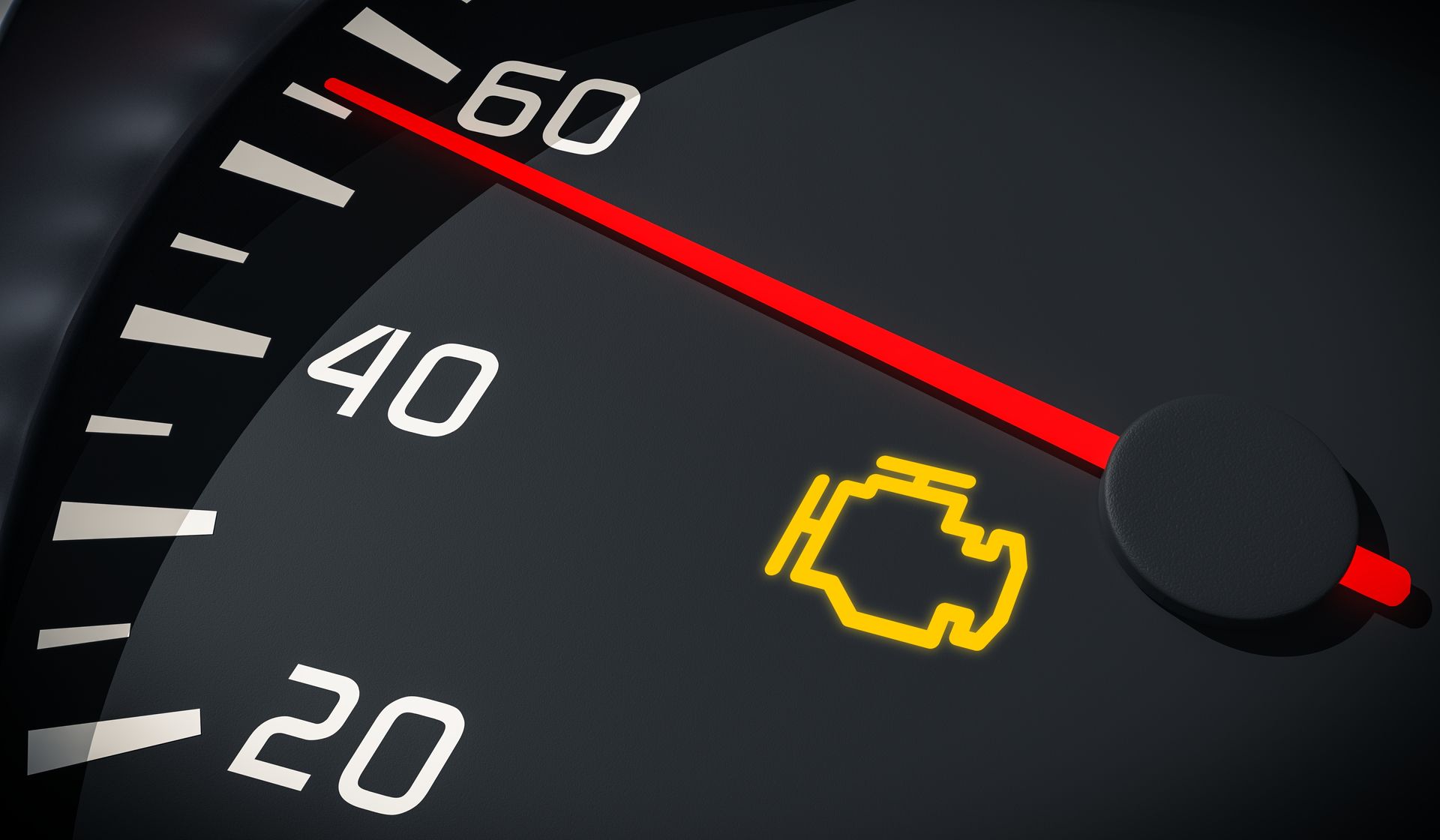
- Warning light: the battery or check engine light coming on is worth taking seriously
- Swollen battery case: visible bulging or swelling means heat has damaged the battery internally
- Old age: if your battery is over three years old, it's worth having it tested even if everything seems fine
Why Proactive Replacement Is Always Worth It
We get it. Replacing a battery that technically still works can feel unnecessary. But consider the alternative. A battery that fails unexpectedly can leave you stranded, damage your vehicle's electrical system, and in some cases cause issues with modern electronics and control modules that are costly to address.
A proactive battery replacement is one of the most affordable and straightforward services we offer. Testing your battery takes just a few minutes, and if it's showing signs of weakness, replacing it on your terms, at a time that's convenient for you, is always better than dealing with a breakdown on the side of the road.
We're Here to Help
At Art's Automotive here in Longview, we test batteries as part of our routine inspections and are always happy to check yours if you have any concerns. Whether your battery is three years old or you've already noticed some warning signs, don't wait until you're stuck somewhere. Give us a call, book online, or stop by and we'll take a look.
Because the best breakdown is the one that never happens.