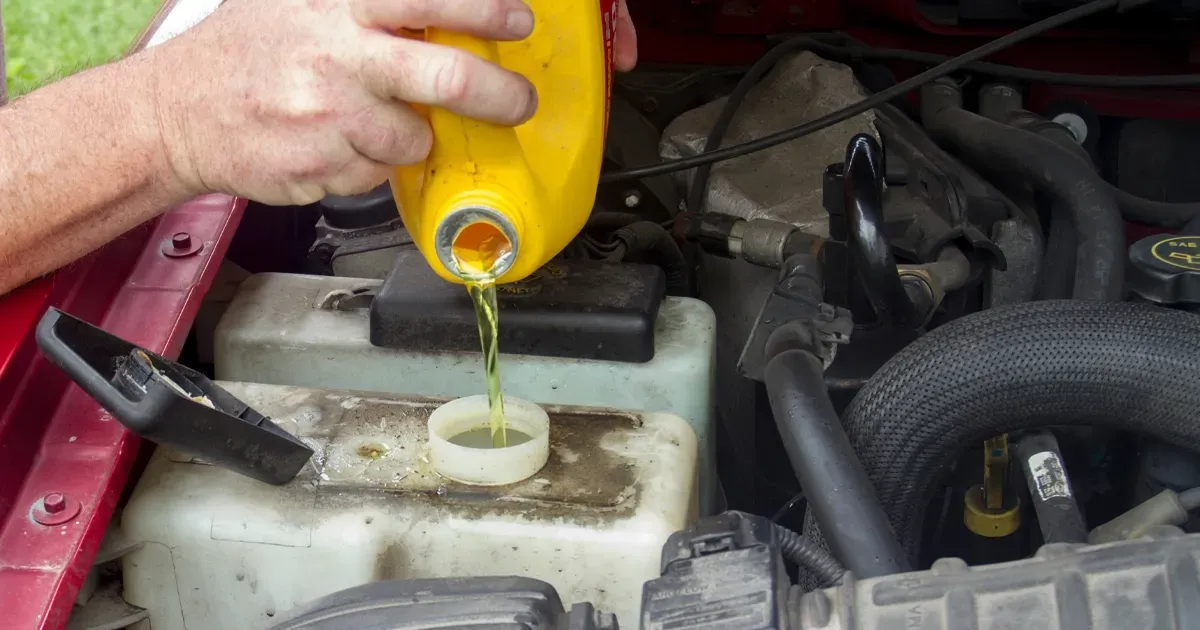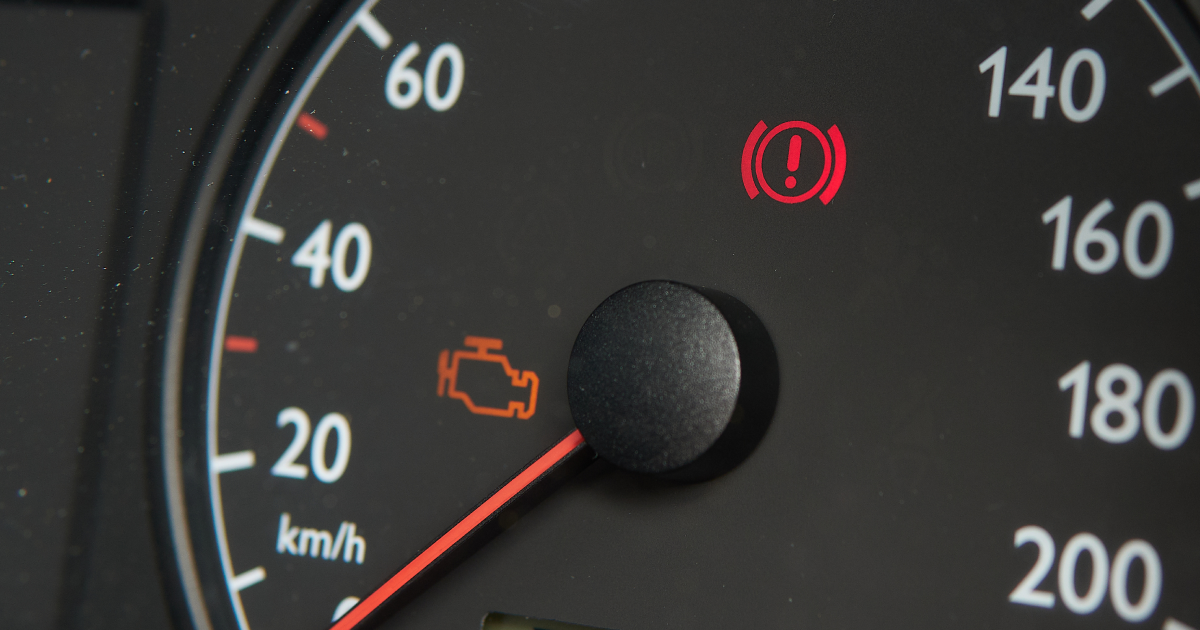
Your vehicle’s cooling system is built around a few key components working together; most importantly, the radiator, thermostat, water pump, and hoses. When any one of these parts fails, especially the radiator or thermostat, it can quickly lead to overheating or ongoing coolant loss.
Many drivers first notice a problem when coolant levels drop or the temperature gauge starts climbing. At that point, the issue has usually been developing for a while. A failing cooling system can lead to costly engine repairs if not addressed.
How radiator leaks and cooling system leaks start
A radiator leak is one of the most common types of cooling system leaks. The radiator is responsible for dissipating heat by passing coolant through thin channels while air flows across cooling fins. Over time, those channels and seams can weaken.
Radiator leaks often develop from:
- Cracked plastic end tanks due to heat cycling
- Corrosion inside the radiator core
- Damage from road debris
- Worn hose connections at the radiator inlet or outlet
Because the radiator operates under pressure, even a small crack can release coolant steadily. You might notice coolant pooling under the front of the vehicle, residue near the radiator, or a persistent low coolant warning.
It’s also worth noting that a radiator cap plays a role in maintaining system pressure. A failing cap can mimic a radiator leak by allowing coolant to escape as vapor.
What a failing thermostat does to the radiator and engine
The thermostat regulates when coolant flows from the engine to the radiator. When it’s working correctly, it opens at a set temperature to allow hot coolant into the radiator, where heat is removed before recirculating.
If the thermostat sticks closed, coolant can’t reach the radiator. That causes rapid overheating because the radiator is effectively taken out of the system. If it sticks open, coolant flows too freely, and the engine may never reach proper operating temperature.
Both situations reduce the radiator’s ability to do its job effectively, even if the radiator itself is in good condition.
Why radiator and cooling system issues escalate quickly
The radiator depends on a sealed, pressurized system to function properly. When a radiator leak or other cooling system leak develops, pressure drops, and the boiling point of coolant decreases. That means coolant can overheat and boil even sooner, making temperature control more difficult.
An overheating engine can lead to warped cylinder heads, failed head gaskets, or internal engine damage. What starts as a small radiator seep can turn into a major repair if ignored.
What proper radiator and cooling system repair looks like
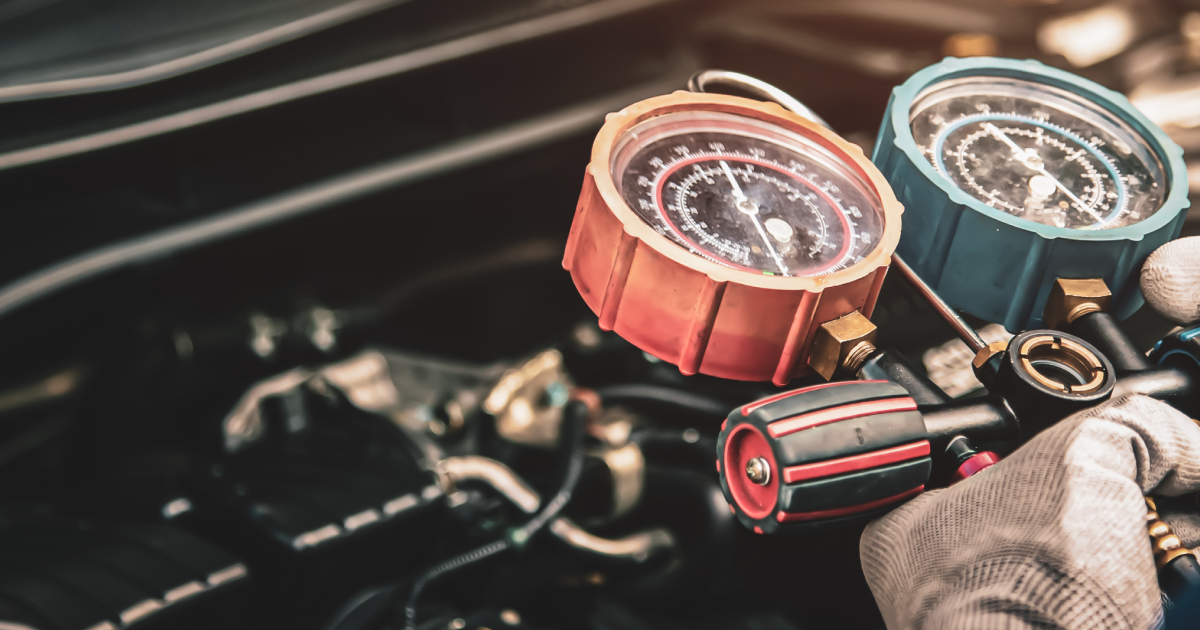
A thorough inspection typically includes pressure testing the cooling system, checking the radiator for leaks or blockages, and verifying thermostat operation. Technicians will also inspect hoses, the radiator cap, and the water pump.
Radiator repair may involve replacing the radiator entirely, especially if the core or tanks are compromised. In many cases, it makes sense to replace the thermostat at the same time if it shows signs of wear or inconsistent operation.
When to schedule an inspection
If you notice coolant loss, signs of a radiator leak, overheating, or fluctuating temperature readings, it’s time for an inspection. Even a faint coolant smell or residue near the radiator is worth checking early.
In areas like the Pacific Northwest, where moisture and temperature swings are common, radiator components and seals tend to wear faster over time.
Keeping the radiator and thermostat in proper working condition is essential to protecting your engine. Addressing small cooling system leaks early helps prevent larger, more expensive problems down the road.