Most vehicle owners will eventually face a situation where the repair list is longer than the budget allows. That doesn’t mean you’re neglecting your vehicle. It means you need a clear plan.
Understanding how to prioritize car repairs helps you make smart decisions without feeling overwhelmed. The key is separating what is urgent from what is important long-term—and addressing them in the right order.
Start With Safety-Critical Repairs
Safety always comes first. If a repair affects your ability to steer, stop, or control the vehicle, it moves to the top of the list.
Safety-critical car repairs typically include:
- Brake system issues (worn pads, leaking calipers, damaged rotors)
- Steering or suspension problems affecting stability
- Severely worn tires or alignment concerns
- Lighting failures that reduce visibility
- Airbag or restraint system faults
These systems protect you and others on the road. When prioritizing, anything that compromises control of the vehicle or safe stopping distance should be addressed first.
Protect the Engine and Transmission Next
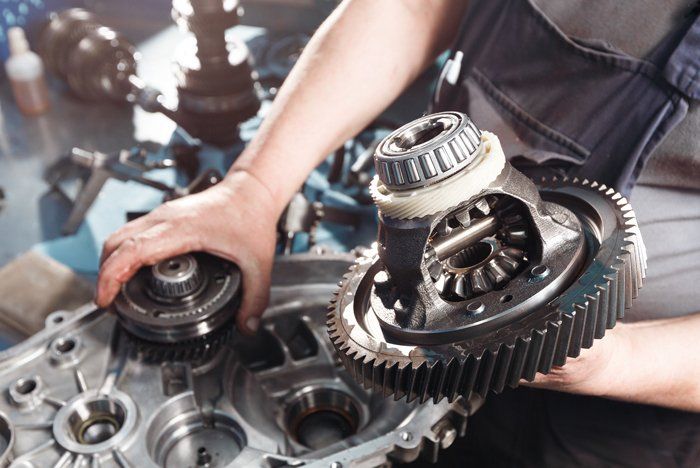
Once safety concerns are handled, the next priority is protecting major powertrain components. Engine and transmission repairs are typically the most expensive systems on a vehicle, so preventing internal damage is critical.
Repairs in this category often involve:
- Cooling system leaks or overheating concerns
- Active engine misfires
- Oil leaks that affect lubrication
- Timing chain or belt issues
- Transmission fluid leaks or slipping
These problems may not always feel urgent in the moment, especially if the vehicle still drives. However, allowing overheating, lubrication loss, or misfires to continue can turn a moderate repair into a major engine replacement.
Plan for Long-Term Vehicle Reliability
After safety and critical systems are stable, the next layer involves long term vehicle reliability. These are repairs that improve dependability, reduce wear, and prevent future breakdowns.
Examples include:
- Suspension component wear
- Minor fluid seepage
- Aging batteries
- Preventative maintenance services
- Addressing small warning lights before they escalate
This is where thoughtful car repair planning makes a difference. You don’t need to fix everything at once, but you should understand what can wait and what will become more expensive if ignored.
Building a Practical Repair Plan
A good repair plan answers three questions:
- Is it unsafe to drive?
- Could it cause major damage if delayed?
- Is this preventative or comfort-related?
Once those are clear, repairs can be phased over time. Some may be scheduled within weeks, others within months.
At Art’s Automotive, our goal is not to pressure you into doing everything immediately. It’s to help you understand the condition of your vehicle and make informed decisions. When you have a clear priority structure—safety first, then critical engine components, then long-term reliability—you can protect your investment without unnecessary stress.
A well-planned approach keeps your vehicle dependable, extends its life, and helps you manage costs responsibly over time.