Why Is My ABS Light On? What It Means and How the System Works (Longview, WA)

April 21, 2026

This is a subtitle for your new post

When your ABS (Anti-lock Braking System) light comes on, it isn’t necessarily telling you that your brakes have failed. Try out your pedal, see how it feels! it’s letting you know there’s a problem within the ABS system. Most importantly; this could mean that a critical safety feature on your vehicle is inoperable.


How the ABS System Works

Your ABS system at its core is a safety system that prevents the wheels from locking up during hard braking. When the wheels lock up, the tires lose traction and you may lose steering control. The ABS system helps restore steering by rapidly pulsing brake fluid pressure to 2 or more wheels. This pulsation breaks the locked steering system and restores steering control to you, the driver.

Here’s how it works in simple terms:

  • Wheel speed sensors monitor how fast each wheel is turning
  • If one wheel slows down too quickly (about to lock up), the system reacts
  • The ABS module automatically reduces and reapplies brake pressure to that wheel
  • This happens rapidly, multiple times per second, while you’re braking

That pulsing feeling or the rapid clicking/groaning sound you may have felt in the brake pedal and heard during a hard stop is the ABS system actively working.


Why the ABS Light Comes On

The ABS light turns on when the system detects a fault and disables itself. Your normal braking system will still work, but without ABS assistance.

Common causes include:

  • Faulty wheel speed sensor
  • Damaged sensor wiring
  • Dirty or corroded sensor readings
  • Issues with the ABS control module
  • Low or contaminated brake fluid

Because the system relies on accurate data from each wheel, even a small issue can trigger the warning light.


Is It Safe to Drive With the ABS Light On?

In normal driving conditions, you’ll still have standard braking. However, in emergency situations, especially on wet or slippery roads, you won’t have the added control ABS provides.

That means:

  • Increased risk of wheel lockup
  • Reduced steering control under hard braking


When to Have It Checked

If your ABS light is on, the next step is a proper diagnostic scan. The system stores fault codes that point directly to the issue, which prevents guesswork and unnecessary parts replacement.

At Art’s Automotive in Longview; ABS concerns are approached from a diagnostic standpoint first. Especially with the wet driving conditions common around Longview, having a properly functioning ABS system can make a noticeable difference in vehicle control and safety.
Why Is My Car AC Not Blowing Cold Air? - Art's Automotive
April 16, 2026
At Art’s Automotive in Longview, WA, we troubleshoot AC problems based on testing and system performance, so you can get back to real cold air without repeat issues.
April 10, 2026
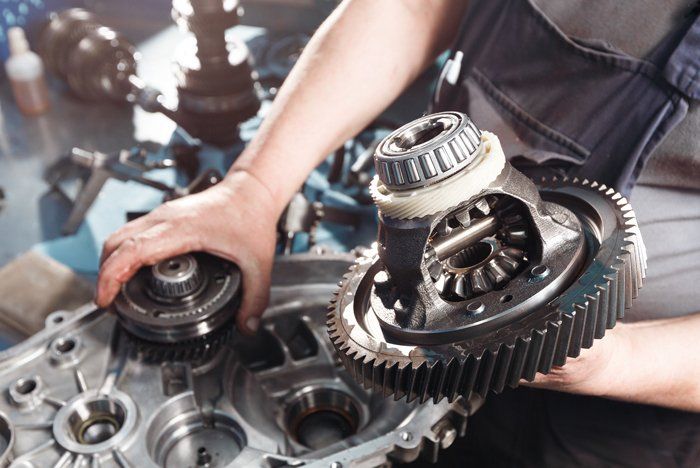
Transmission fluid plays a critical role in how your vehicle shifts, cools, and protects internal components. As it ages, it loses its ability to lubricate, control heat, and carry away wear material. Replacing that fluid—at the right time and in the right way—is what helps extend transmission life. What a Drain and Fill Does A drain and fill removes a portion of the old fluid from the transmission pan and replaces it with new fluid. Because some fluid remains in the system, the change is gradual. That’s often an advantage. It refreshes the fluid without disturbing material that has settled inside the transmission over time. For higher-mileage vehicles or those without a consistent service history, this is typically the safer approach. Repeating this service periodically can steadily improve fluid condition with minimal risk. What a Transmission Flush Does A transmission flush replaces nearly all of the old fluid in one service, including fluid in the torque converter and cooler lines. This provides a more complete reset of the fluid’s protective properties. When performed on a well-maintained transmission with clean fluid, a flush can help maintain smooth operation and proper temperature control. Why a Flush Isn’t Always the Right Choice A full fluid exchange can create problems if the transmission is already worn or the fluid is heavily contaminated. Over time, fine particles from normal wear settle in low-flow areas. A flush can circulate that material back through sensitive components like solenoids and valve bodies. That added circulation can lead to shifting issues or accelerate internal wear. This is why a flush is not routinely recommended for every vehicle—especially if maintenance has been delayed. Which Service Helps Your Transmission Last Longer? Longevity comes down to consistent maintenance and choosing the right service for the transmission’s condition. Well-maintained transmission: may benefit from a flush High-mileage or unknown history: usually safer with a drain and fill The goal is to improve fluid condition without increasing internal risk. When to Schedule Transmission Service If you’re experiencing delayed or harsh shifting, or if the fluid hasn’t been serviced within typical intervals (often 30,000–60,000 miles depending on the vehicle), it’s time for an inspection. Fluid color, smell, and overall condition help determine the safest approach. At Art’s Automotive in Longview, WA, transmission service decisions are based on what protects the unit long-term—not just what replaces the most fluid. A careful, condition-based approach is what keeps transmissions operating reliably over time.
Why Brake Fluid Flushes Matter for Long-Term Brake System Reliability
March 27, 2026
At Art’s Automotive, brake fluid service is about preventing problems before they start. Keeping the hydraulic system clean and dry is key to long-term brake reliability and safety.
Why Reading a DTC Code Doesn’t Fix Your Check Engine Light - Art's Automotive
March 19, 2026
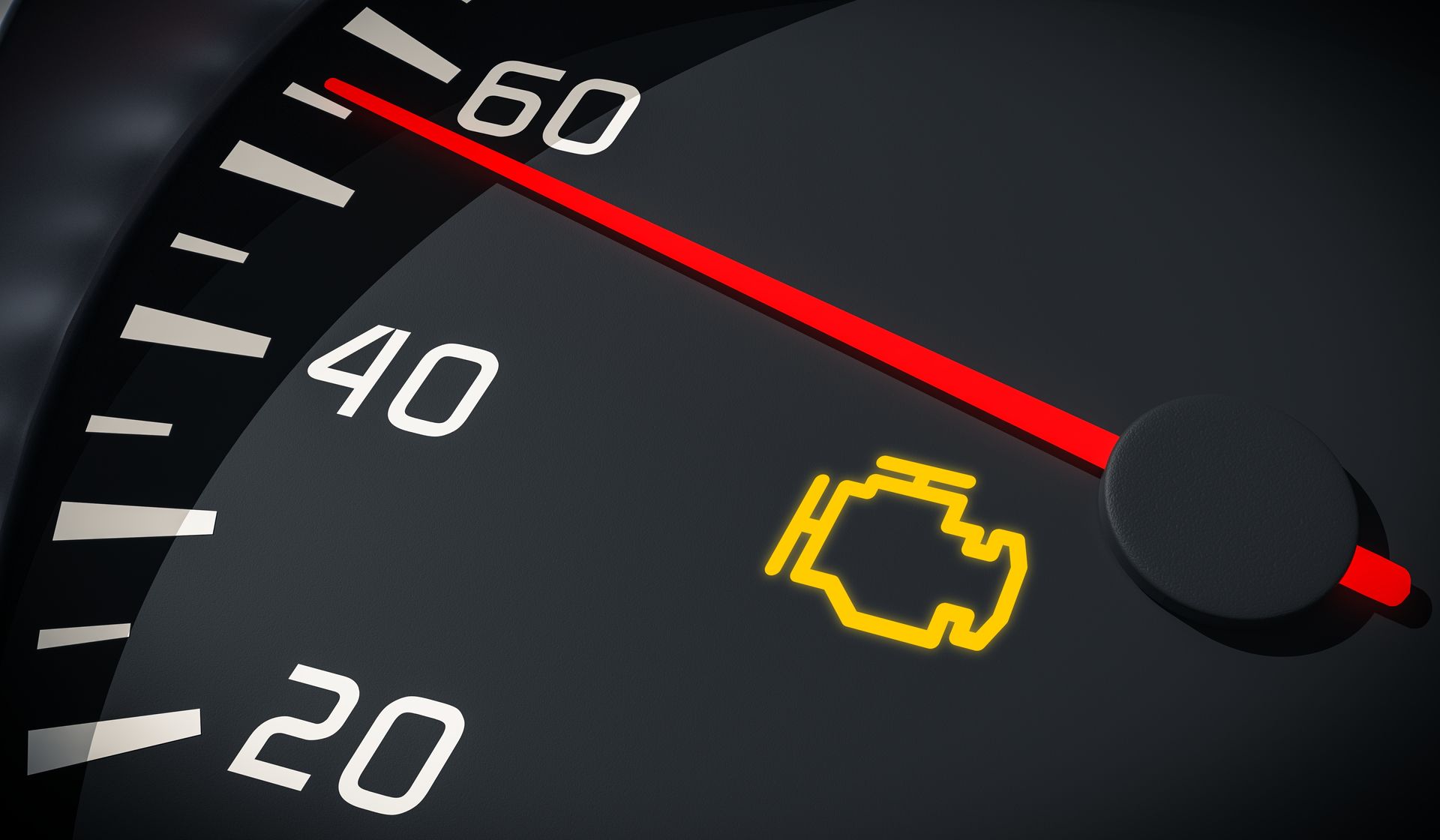
At Art’s Automotive, we approach every check engine light with a diagnosis-first mindset. The goal isn’t to sell parts, it’s to determine the root cause of the check engine light and correct it properly the first time.
How to Prioritize Car Repairs When You Can’t Do Everything at Once - Art's Automotive
March 12, 2026
At Art’s Automotive, our goal is not to pressure you into doing everything immediately. It’s to help you understand your vehicle's condition and make informed decisions.
How an Engine Misfire Can Destroy Your Catalytic Converter
March 2, 2026
At Art’s Automotive, we approach misfire concerns with a diagnostic-first mindset. Identifying the root cause early helps prevent catalytic converter failure, reduces long-term costs, and protects the reliability of your vehicle.
The Importance of Oil Changes for Long-Term Engine Reliability and Lower Repair Costs
February 19, 2026
If your goal is to keep your vehicle dependable for years and avoid major engine repair costs, regular oil changes are non-negotiable.