An engine misfire might feel like a rough idle or hesitation when accelerating. Some drivers continue operating the vehicle, especially if it still seems drivable. What many don’t realize is that ongoing engine misfire catalytic converter damage can happen quickly—and the repair bill can escalate fast.
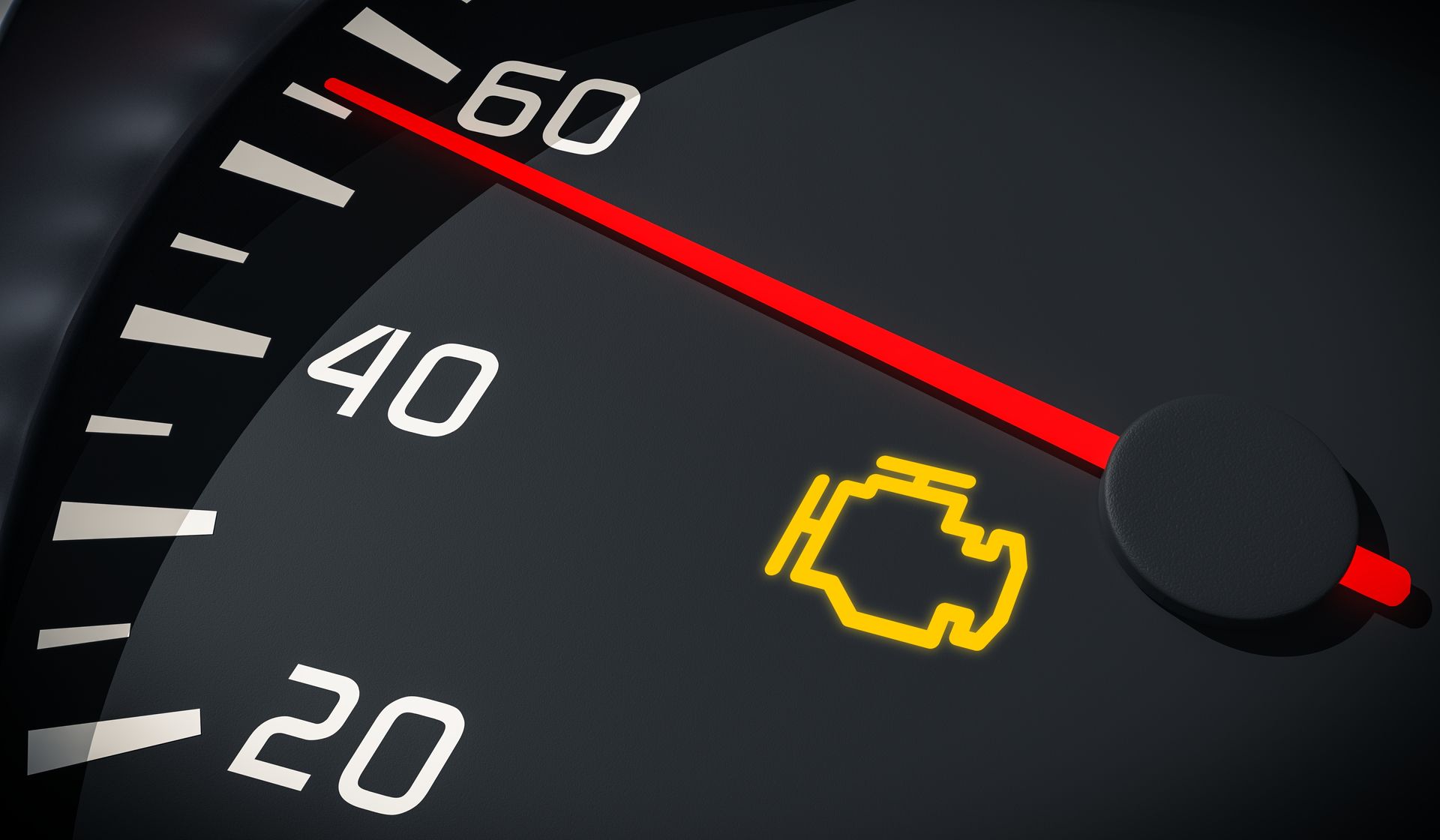
A flashing check engine light misfire warning is not just an inconvenience. It is your vehicle telling you that unburned fuel is entering the exhaust system, where it can overheat and destroy the catalytic converter.
What Happens During a Misfire
A misfire occurs when one or more cylinders fail to ignite the air-fuel mixture properly. This can be caused by worn spark plugs, failing ignition coils, clogged fuel injectors, vacuum leaks, low compression, or even internal mechanical problems.
When combustion does not occur inside the cylinder, the unburned fuel is pushed out into the exhaust system and into the catalytic converter.
The catalytic converter (or cat for short) is designed to burn off small amounts of unburned hydrocarbons as part of normal emissions control. It is not designed to handle continuous streams of raw fuel. When that happens, temperatures inside the converter can spike dramatically—often well beyond normal operating limits.
Excessive heat melts or breaks down the internal ceramic substrate. Once damaged, the converter cannot properly process exhaust gases and may even become restricted.
Why Catalytic Converter Damage Gets Expensive
Catalytic converter repair cost is significantly higher than most misfire-related repairs.
Replacing spark plugs or an ignition coil is relatively minor compared to replacing a catalytic converter. On many vehicles, converter replacement can run into the thousands of dollars depending on design, emissions standards, and parts availability.
If the converter becomes restricted, it can also cause:
- Severe power loss
- Increased fuel consumption
- Engine overheating
- Additional engine stress
In extreme cases, prolonged overheating can damage oxygen sensors or other exhaust components, compounding the repair.
Recognizing Misfiring Engine Symptoms Early
Common misfiring engine symptoms include rough idling, shaking under acceleration, hesitation, reduced power, and decreased fuel economy. The check engine light may illuminate steadily or flash.
A flashing light typically indicates active misfire severe enough to risk catalytic converter damage. Continuing to drive in this condition increases the likelihood of expensive repairs.
Even if the vehicle seems to smooth out at higher speeds, intermittent misfires can still overheat the converter over time.
How to Prevent Catalytic Converter Failure
Prevention starts with addressing problems early. Routine maintenance plays a major role. Replacing spark plugs at recommended intervals, maintaining ignition components, and addressing vacuum leaks promptly reduces misfire risk.
If your check engine light comes on, having it properly diagnosed rather than simply clearing the code is critical. Accurate testing identifies whether the issue is ignition-related, fuel-related, or mechanical.
When to Schedule an Inspection
If your engine is running rough, hesitating, or the check engine light is flashing, the vehicle should be inspected as soon as possible. Driving with an active misfire is one of the fastest ways to turn a manageable repair into a major expense.
At Art’s Automotive, we approach misfire concerns with a diagnostic-first mindset. Identifying the root cause early helps prevent catalytic converter failure, reduce long-term costs, and protect the reliability of your vehicle. Addressing a misfire promptly is almost always far less expensive than replacing a damaged converter.