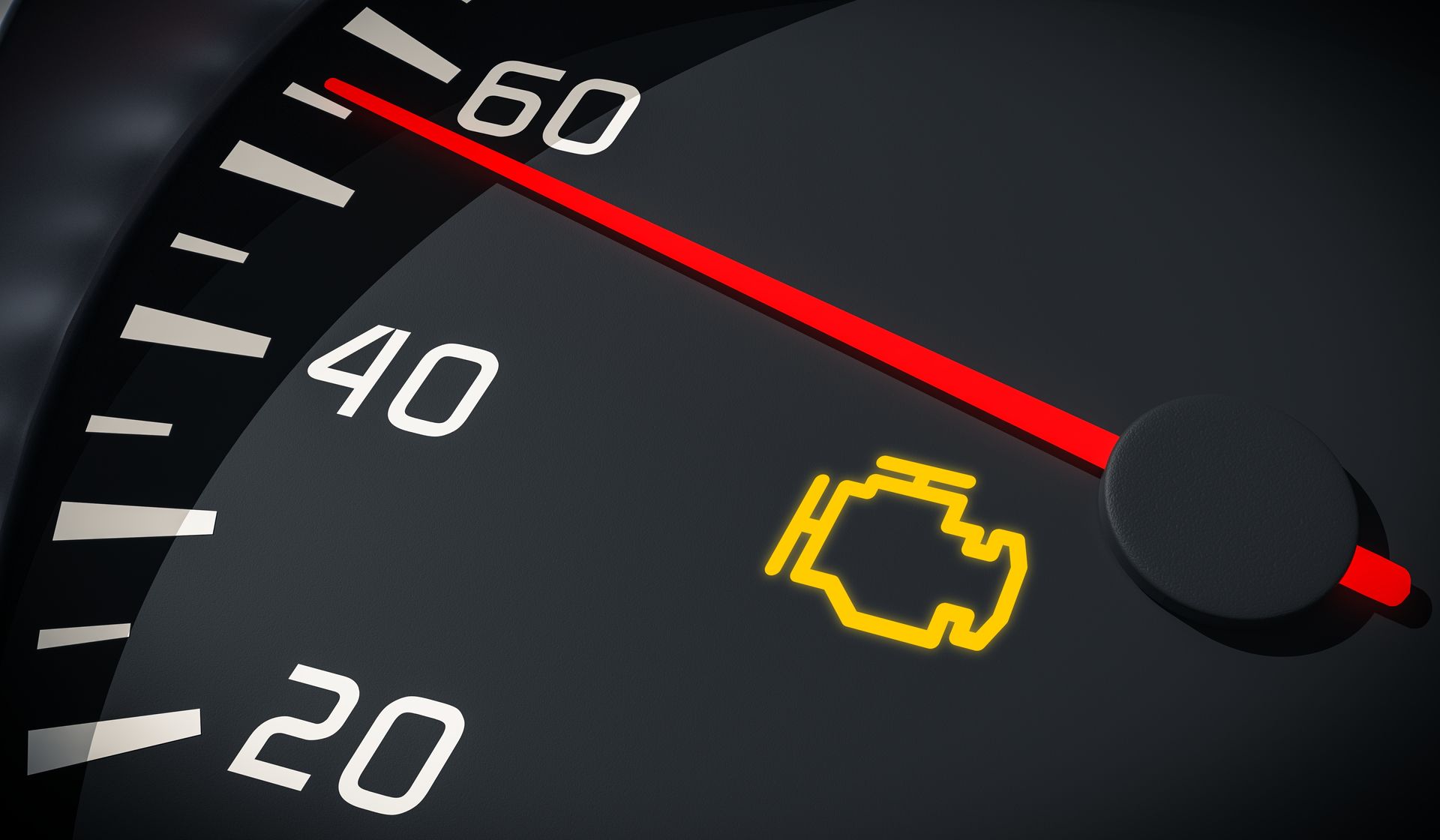
When the check engine light comes on, many drivers head to an auto parts store for a free scan. The scanner pulls a DTC code (Diagnostic Trouble Code), and suddenly, it looks like you have your answer. A code for an oxygen sensor, misfire, or EVAP leak appears, and it feels straightforward.
The problem is that DTC code diagnosis is not the same thing as true check engine light diagnosis. The code is only a starting point. It tells you what system is affected—not what actually failed.
What a Diagnostic Trouble Code Really Means
Your vehicle’s computer continuously monitors sensors and system performance. When it detects data outside an expected range, it stores a diagnostic trouble code and turns on the warning light.
That code points to a circuit or performance issue. It does not confirm that a specific part has failed.
For example, a code indicating an oxygen sensor issue doesn’t automatically mean the oxygen sensor is bad. It may be reporting abnormal exhaust readings caused by:
- A vacuum leak
- A failing catalytic converter
- An exhaust leak
- Fuel delivery problems
- Engine misfires
The sensor may simply be doing its job: reporting inaccurate combustion conditions. Replacing it without proper testing often wastes time and money.
Why Guessing Based on Codes Leads to Repeat Repairs
Modern automotive diagnostics require interpreting data, not just reading codes. A skilled technician looks at live data streams, freeze-frame information (a snapshot of conditions when the code set), fuel trims, sensor response times, and system readiness monitors.
Without this deeper analysis, it’s easy to misdiagnose the root cause of a check engine light.
Misfire codes are a common example. A cylinder misfire code could stem from:
- A worn spark plug
- A failing ignition coil
- A clogged fuel injector
- Low compression from internal engine wear
- A wiring issue
The code identifies which cylinder is misfiring, but it does not explain why. Proper diagnosis involves systematic testing to narrow down the actual failure.
The Difference Between Scanning and Diagnosing
Scanning retrieves vehicle computer codes. Diagnosing determines the mechanical, electrical, or performance failure behind them.
Professional DTC code diagnosis includes verifying the complaint, checking for related technical service bulletins, performing visual inspections, testing circuits, confirming sensor operation, and sometimes using smoke machines or lab scopes to pinpoint faults.
This process is methodical. Skipping steps to “try a part” can lead to unnecessary repairs and ongoing warning lights.
When to Schedule a Check Engine Light Diagnosis
If your check engine light is on continuously, the vehicle may still drive normally, but it should be inspected soon. If the light is flashing, that usually indicates active misfires that can damage the catalytic converter, and the vehicle should be checked promptly.
If you’ve already replaced a part based on a code and the light came back on, that’s a strong sign the underlying issue wasn’t addressed.
At Art’s Automotive, we approach every check engine light with a diagnosis-first mindset. The goal isn’t to sell parts, it’s to determine the root cause of the check engine light and correct it properly the first time.
If your warning light is on or you’re unsure what a stored code really means, having a thorough diagnosis performed can save you money, prevent repeat repairs, and protect the long-term health of your vehicle.