The first cold snap of the year always brings a wave of phone calls to our shop. Somebody in Kelso turned the key at 6:15 in the morning, heard a slow, tired rrr...rrr...rrr, and finally got the engine to catch on the third try. Or it didn't catch at all, and now they're calling from the driveway.
Most people assume it's the battery. Sometimes they're right. But at Art's Automotive we've been fixing starting and charging problems in Longview since 1965, and we can tell you the battery takes the blame for a lot of things it didn't do.
Here's how the three parts work together, what each one sounds like when it starts to fail, and why cold weather is usually what finally exposes the problem.
Why Cold Mornings Bring Out Hidden Problems
Cold weather hits your starting system from two directions at once.
A battery makes power through a chemical reaction, and that reaction slows down as the temperature drops. On a frosty morning your battery simply has less to give. At the same time, engine oil thickens overnight, so the starter has to work harder to spin the engine over.
Less power available plus more power needed is a bad combination. A battery, starter or alternator that was limping along fine in August often gives out in October or November. The cold didn't break it. The cold just took away the margin it had been hiding behind.
The Battery: Your Morning Power Supply
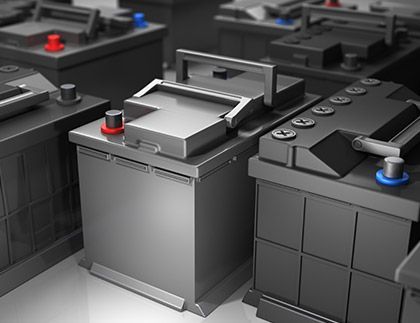
The battery's main job is to deliver one big burst of power to the starter. Once the engine is running, it mostly sits back and lets the alternator take over.
Signs the battery is the likely problem:
- The engine cranks slowly but evenly, and it gets worse on colder mornings
- You hear rapid clicking when you turn the key
- Your dash lights dim or flicker while cranking
- The car starts fine after a jump and keeps running, but it's slow again the next morning
- The battery is more than four or five years old
Corroded or loose battery terminals cause the same symptoms, so it's worth looking for white or green crust on the posts before buying anything. We wrote more about battery types and lifespan in Is Your Car Battery Living on Borrowed Time? if you want the deeper version.
The Starter: The Motor That Turns Everything Over
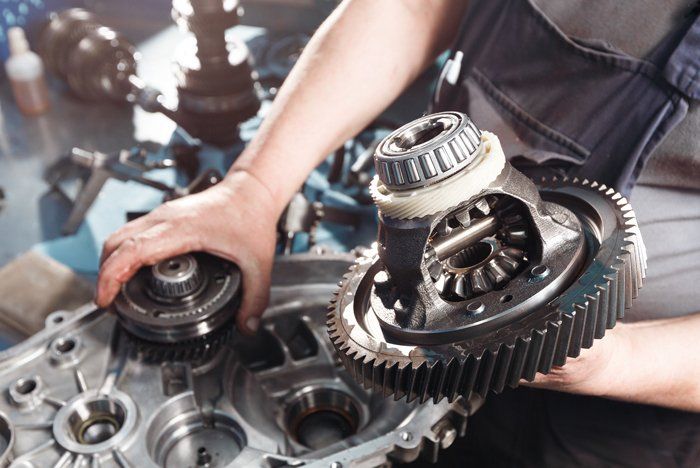
The starter is a small, powerful electric motor that spins your engine until it can run on its own. It only works for a few seconds each time, but it pulls more current than anything else in the car while it does.
Signs the starter is the culprit:
- One single, solid click and then nothing
- A grinding or whirring noise when you turn the key
- The engine cranks slowly even with a fully charged or brand new battery
- It starts sometimes and does nothing other times, with no pattern
- You've been tapping the starter with a tool to get it to work (this trick works until the day it doesn't)
A worn starter draws extra current to do the same job. That puts a heavier load on the battery every single start, and it's a big reason we see people replace a perfectly good battery two or three times before anyone checks the starter.
The Alternator: The Part That Keeps Everything Charged
Once your engine is running, the alternator powers the lights, wipers, heater blower, rear defroster and everything else, while also recharging the battery for tomorrow morning.
Signs the alternator is failing:
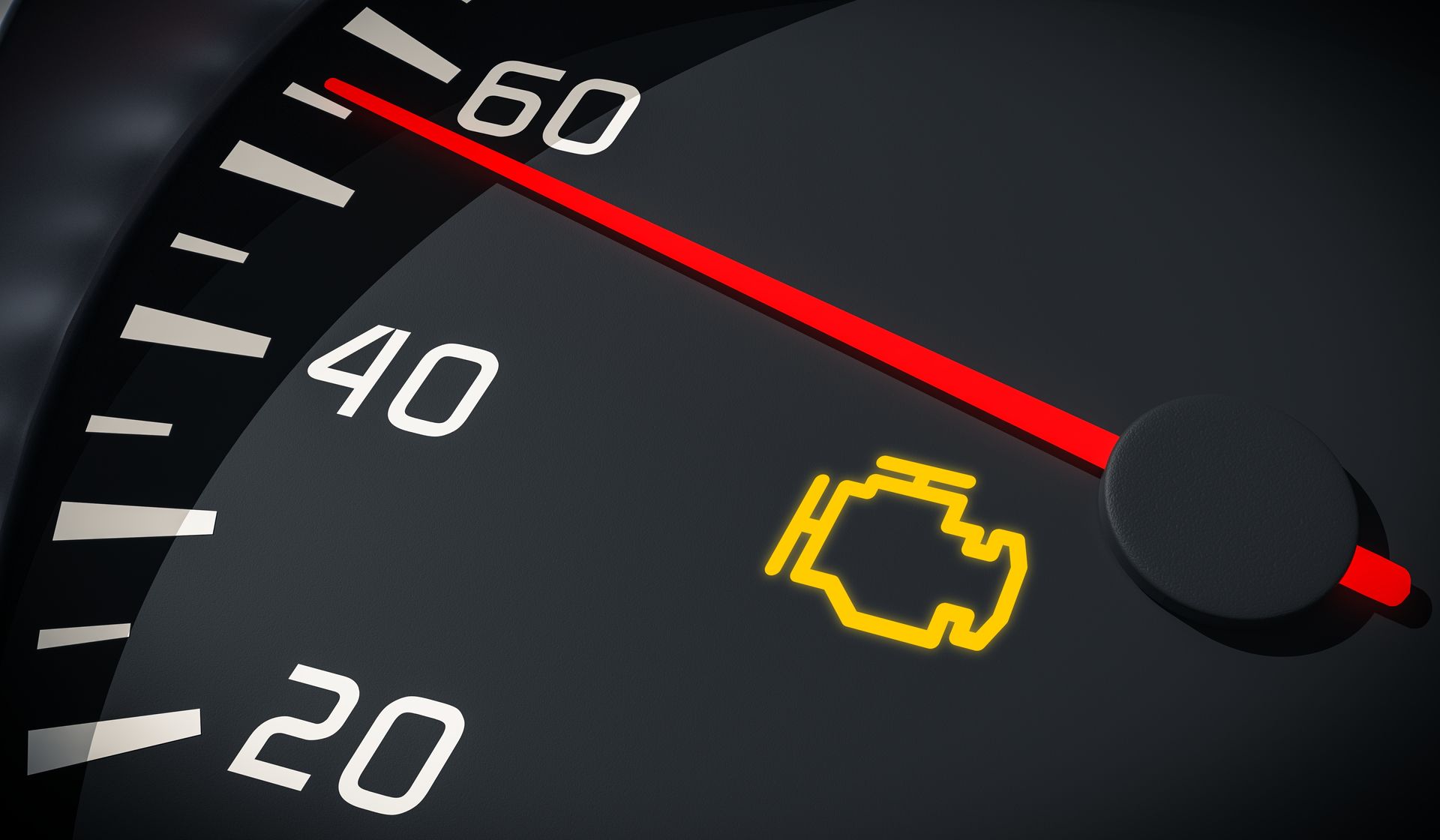
- Your battery warning light comes on while driving
- Headlights dim at idle and brighten when you rev the engine
- A whining or growling sound from the front of the engine
- A burning rubber or hot electrical smell
- The car starts after a jump but dies again within a few minutes, or the battery is dead again by the next day
That last one matters most. If a new battery keeps going dead, the alternator probably isn't charging it. Fall and winter driving around Cowlitz County makes this worse, because short trips with the headlights, heater and wipers all running ask a lot from a charging system that's already weak.
A Quick Check You Can Do at Home
If you own a basic multimeter, you can learn a lot in two minutes:
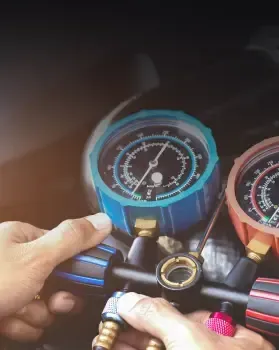
1. Engine off, sitting overnight: A healthy, fully charged battery reads about 12.6 volts. Down around 12.2 or lower means it's significantly discharged.
2. Engine running: You should see roughly 13.5 to 14.7 volts. Lower than that points toward the alternator. Much higher can mean an overcharging problem, which cooks batteries.
These numbers give you a direction, not a final answer. A battery can show good voltage sitting still and then fall flat on its face under load, and a starter problem won't show up here at all. If you don't own a multimeter, or you'd rather have a real answer than a guess, keep reading.
Skip the Guesswork: Quick Charging System Checks, No Appointment Needed
You don't need to book ahead to find out what's going on. Swing by Art's Automotive during business hours and we'll run a quick charging system check while you wait.
We test the battery, starter and alternator to make sure each one is doing its job. You'll leave knowing whether your battery is healthy, whether the starter is pulling more than it should, and whether the alternator is actually keeping things charged.
It's a smart stop if:
- Your car has been slow to start since the weather turned
- You've had to jump it once and don't want it to happen again
- Your battery light flickered on and then went away
- You have a road trip, a long commute up I-5, or an early shift coming up and want peace of mind
If everything checks out, you're on your way. If something's weak, we'll show you the results and talk through your options, with no pressure to fix it that day.
New, Remanufactured or Rebuilt?
When a starter or alternator does fail, most shops order a replacement and bolt it in. That's fine for a lot of cars. But we have a dedicated rebuild department in Longview, and our team rebuilds starters and alternators right here in the shop, including heavy-duty truck, equipment and offroad units that can be hard or expensive to source.
For a work truck, a diesel pickup, a tractor, or an older vehicle where parts are getting scarce, rebuilding is often the faster and smarter move. Ask us about it when you stop in. We'll tell you honestly whether rebuilding or replacing makes more sense for your vehicle.
Starting and Charging System Repair in Longview, WA
If your car is hesitating on these cold mornings, don't wait for it to leave you stuck in a parking lot in Castle Rock or at the mill before a shift. A slow crank is the warning. A no-start is usually the next step.
The easiest first move is to stop by for a quick charging system check. No appointment needed. Just pull in at 1320 Industrial Way in Longview, Monday through Friday between 7:30 AM and 5:00 PM.
If you need repairs, Art's Automotive handles starter and alternator repair, battery replacement, and complete starting and charging system repair for drivers in Longview, Kelso, Castle Rock, Rainier, St. Helens, Clatskanie and the surrounding communities. Repairs are backed by our 36-month/36,000-mile warranty, and we offer a local shuttle if you need a ride while we work.
Questions first? Call us at (360) 423-0890, or schedule an appointment online for anything bigger.