Maintaining your vehicle costs money, it can even feel expensive; but if you plan on keeping your vehicle for a while, neglected maintenance usually costs considerably more in the long run.
At Art’s Automotive we frequently recommend services such as oil changes, transmission services, brake fluid flushes, differential services, and transfer case services because all of these fluids have a limited service life. These services protect expensive mechanical components from wear, contamination, heat, and corrosion. Spending a few hundred dollars on preventative maintenance at the appropriate interval can help reduce the risk costly invasive repairs later down the road.
Maintenance Protects the Parts You Already Own
Modern vehicles contain expensive engines, transmissions, differentials, transfer cases, ABS components, and other assemblies. Most of these depend on fluids for lubrication, cooling, hydraulic operation, corrosion protection, or a combination of these functions.
Fluids do not last forever. Overtime, heat breaks them down, moisture can accumulate, and lubricants become contaminated with microscopic wear particulates. Modern fluids typically contain additives designed to control friction, heat, and oxidation. These additives gradually become depleted over time.
That is why fluid maintenance is more than simply replacing something because it looks dirty. It restores properties the component was designed to operate with.
The Cost of Service vs. the Cost of Repair
The financial argument for preventative maintenance becomes clearer when you compare typical service costs the cost to replace components
-An oil change might cost $110, while significant engine repair or replacement can easily reach $5,000 – $15,000 depending on the motor. Which would you rather spend?
-A transmission service can run anywhere from $150 to $400. Transmission replacement can cost $5,000 or more. Automatic transmission fluid has a demanding job, serving as a lubricant, coolant, and hydraulic fluid while maintaining specific friction characteristics inside the transmission.
-Brake fluid service might cost around $150. Brake fluid absorbs moisture over time, which lowers its boiling point, reducing its performance, and increasing corrosion on internal components. This can result in component failures, up to and including ABS system replacements. We’ve seen it!
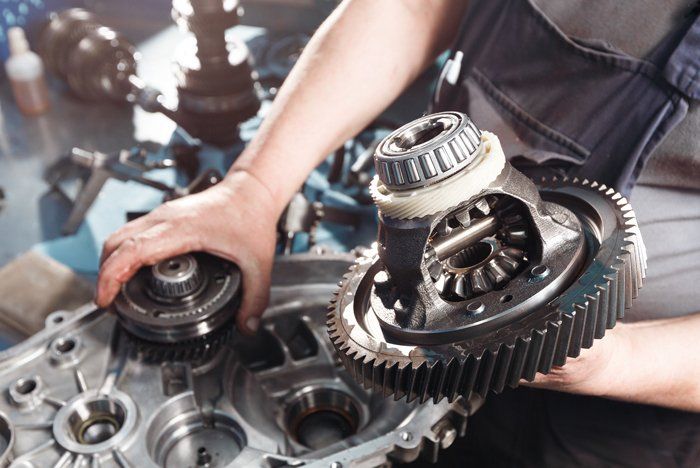
-Four-wheel-drive and all-wheel-drive vehicles may also require transfer case and differential services, these can cost in the hundreds compared with potential component repairs that can reach thousands. Fresh gear oil helps protect bearings, gears, clutches, and other heavily loaded internal parts.
These services cannot guarantee that a component will never fail. They can, however, address preventable causes of wear and give expensive components the conditions they need to last.
When Should Maintenance Be Done?
The short answer here is that we don’t know! Every vehicle manufacturer has different recommended intervals and services based on mileage, fluid type, and driving condition. At Art’s Automotive we never recommend a service that we don’t think you need. Once your vehicle is here, we’ll perform our Complimentary 50 Point Inspection and inspect your fluids condition. Then we’ll check your service history and make recommendations based on condition, and time and mileage.
Short trips, towing, heavy loads, stop and go traffic, and temperature extremes can also impact service needs. In our area; the moisture in particular can pose a problem
The best approach is to evaluate maintenance based on the specific vehicle rather than automatically replacing every fluid at an arbitrary mileage.
Good Maintenance Is Long-Term Vehicle Planning
Preventative automotive maintenance is ultimately about controlling ownership costs. You are maintaining relatively inexpensive fluids and filters to protect components that are much more expensive to repair or replace.
At Art’s Automotive in Longview, we prefer to look at maintenance as part of the vehicle's overall condition and history. The goal is not to sell every available service. It is to identify what is actually due, prioritize it appropriately, and help you make informed decisions about keeping your vehicle reliable.
A well-maintained vehicle can still need repairs, but consistent maintenance gives the engine, transmission, braking system, differentials, and drivetrain their best opportunity for a long service life.