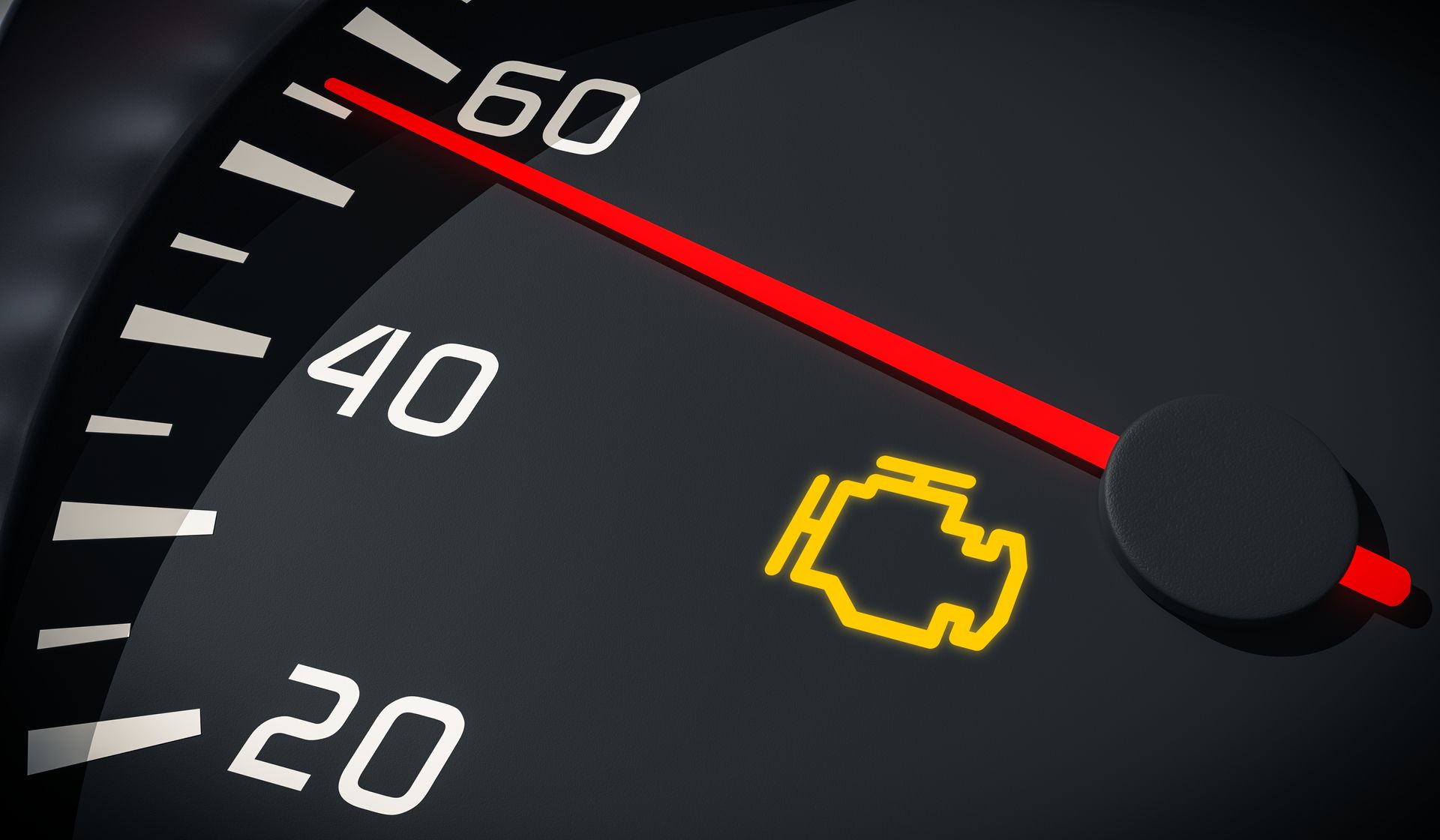
If your car only acts up when it's wet, water is getting somewhere it shouldn't. Most rain-related electrical problems come down to a short list: a corroded connection, a bad ground, or a plugged drain letting water into the car.
We've been fixing cars in Longview since 1965, and the first few weeks of steady rain always bring in the same complaint: "It only does it when it's raining." That sounds vague, but it's actually a useful clue. It tells us to look for moisture, not a failed part.
The Symptoms We See Every Rainy Season
Wet-weather electrical trouble tends to show up in a few predictable ways:
• Headlights or dash lights that flicker or dim
• ABS and traction control lights that come on after a puddle, then go off once things dry out
• A rough idle or check engine light on damp mornings
• Wipers, power windows or door locks that work one day and not the next
•
A slow crank or no start after the car sits outside overnight
One of these on its own might be a coincidence. If it lines up with the weather every time, it probably isn't.
Where the Water Is Getting In
Clogged cowl and sunroof drains. The cowl is the panel at the base of your windshield, under the wipers. It has drains that carry rainwater away. In fall, leaves and fir needles plug them up, the water backs up, and it can find its way into the cabin. A lot of cars have wiring harnesses and control modules under the carpet or behind the kick panels, so a damp footwell can turn into electrical gremlins fast. We covered a version of this in our post on
rainy-season problems on European cars, but it happens to plenty of domestic and Asian vehicles too.
Corroded battery terminals and ground straps. Every circuit in your car needs a clean path back to the battery. Ground straps connect the engine and body to the negative side, and corrosion on those connections adds resistance. Moisture makes it worse. The result is dim lights, slow cranking, and modules that complain about low voltage. These problems often get blamed on the battery when the real issue is the connection, which is why we test the whole
starting and charging system instead of just swapping batteries.
Connectors that live in road spray. Your wheel speed sensors sit right at each wheel, and their wiring takes a constant beating from water and grit. If a connector lets water in, the ABS module loses the signal and turns on the warning light. Drive in from Cathlamet on SR 4 during a wet week and you'll see how much spray the underside of a car takes.
Ignition parts that leak voltage. A cracked ignition coil boot or old spark plug wire can let moisture give the spark an easier path to ground. That causes a misfire, usually worst on cold, damp mornings. If your check engine light is flashing, ease off and get the car in soon. A steady misfire can overheat and damage the catalytic converter.
Headlight and taillight housings. When the seal on a housing fails, water collects inside and corrodes the bulb socket. You'll often see fogging or droplets inside the lens before the light starts cutting out.
What You Can Check Before You Call Us
A few things are worth a look at home:
1. Battery terminals. White or green crust is corrosion. Wear eye protection if you clean it, and know that heavy buildup on top usually means the cable is corroded underneath, too.
2. The cowl area. Pop the hood and clear out any leaves sitting at the base of the windshield.
3. The carpet. Press on the footwell carpet, front and rear. Damp padding or a musty smell is a sign water is getting in.
4. The pattern. Write down exactly when it happens. After a car wash? After sitting overnight? Only after driving through standing water? That information saves real diagnostic time.
What not to do: don't spray down the engine bay to "test" it, and don't start unplugging modules. That's a good way to turn one problem into three.
Why Intermittent Electrical Problems Need Real Diagnosis
The hardest part of a rain-related problem is that it may not be happening when the car shows up dry. That's where good notes from you and the right testing from us make the difference.
During
electrical diagnosis, our ASE-certified technicians use voltage drop testing to find grounds and connections that look fine but can't carry current under load. We can also wiggle-test harnesses with a scan tool connected, watching for the exact moment a signal drops out, and sometimes reproduce the problem with controlled water.
Guessing is expensive. A new battery won't fix a corroded ground, and a new ABS sensor won't fix a wet connector. Finding the actual fault the first time is what saves money, and our repairs are backed by a 36-month/36,000-mile warranty.
FAQ
Can rain cause a check engine light?
Yes. Moisture can get into ignition components, sensors and connectors and cause misfires or bad sensor readings, which turns on the check engine light. If the light is flashing, reduce your speed and have it checked soon, since a misfire can damage the catalytic converter.
Is it safe to drive with the ABS light on after rain?
Your regular brakes should still work, but your anti-lock system may be turned off until the fault clears. Drive carefully, leave extra stopping distance, and have it checked. If the red brake warning light is also on, stop driving and call a shop.
Why do my car's electrical problems only happen in the morning?
Condensation forms overnight as temperatures drop, and it settles into connectors, ignition parts and fuse boxes. Cold also reduces a battery's available power. Once the engine warms up and dries things out, the problem often goes away until the next cold, damp morning.
If your car only misbehaves in the rain, bring it to Art's Automotive at 1320 Industrial Way in Longview. Call us at (360) 423-0890 or
book online.